


Simple Sum Logo

Managing Debt

Here’s How To Use Credit Without Letting It ‘Use’ You

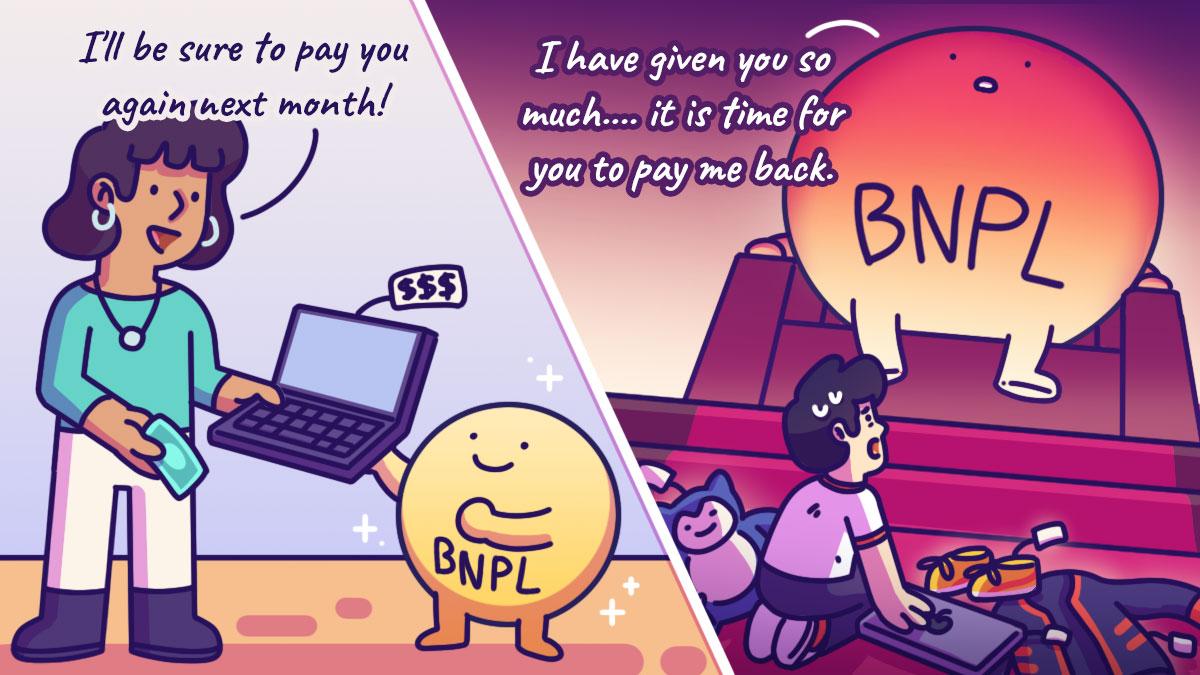
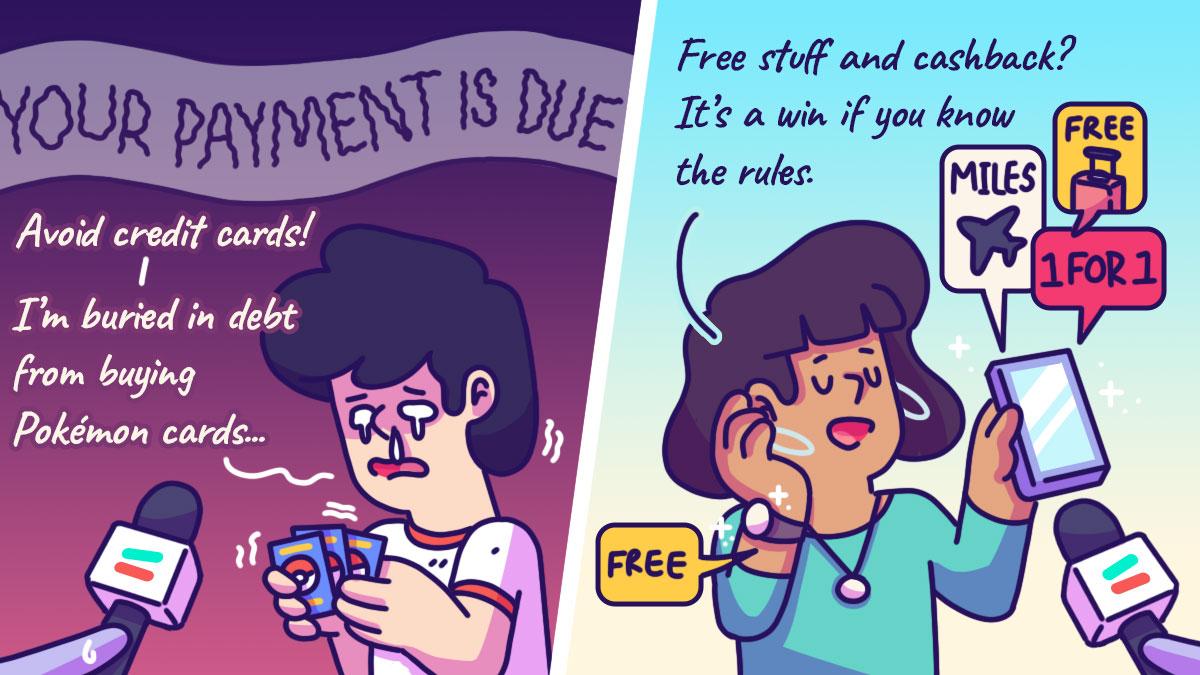
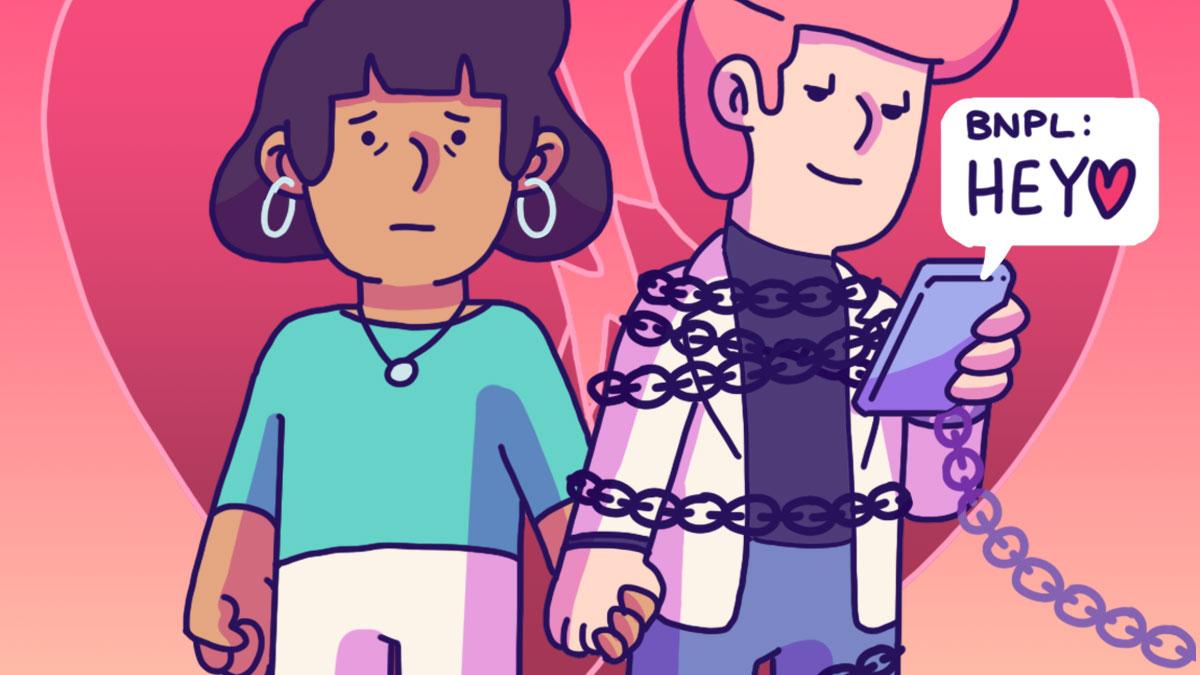
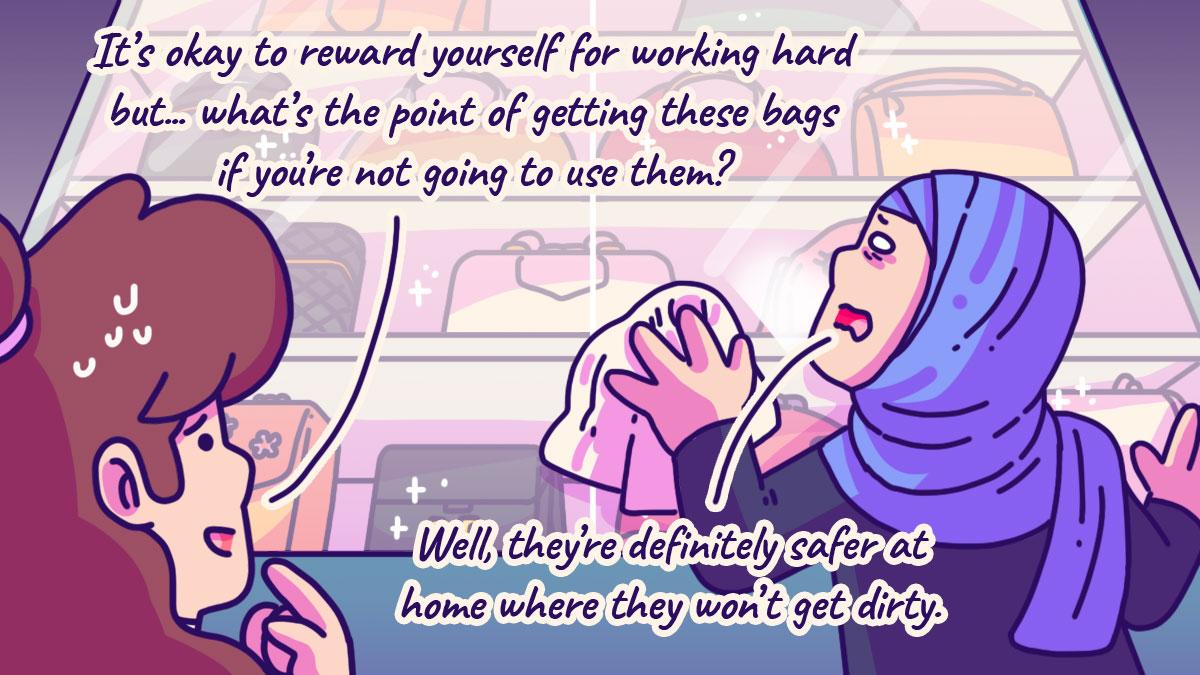
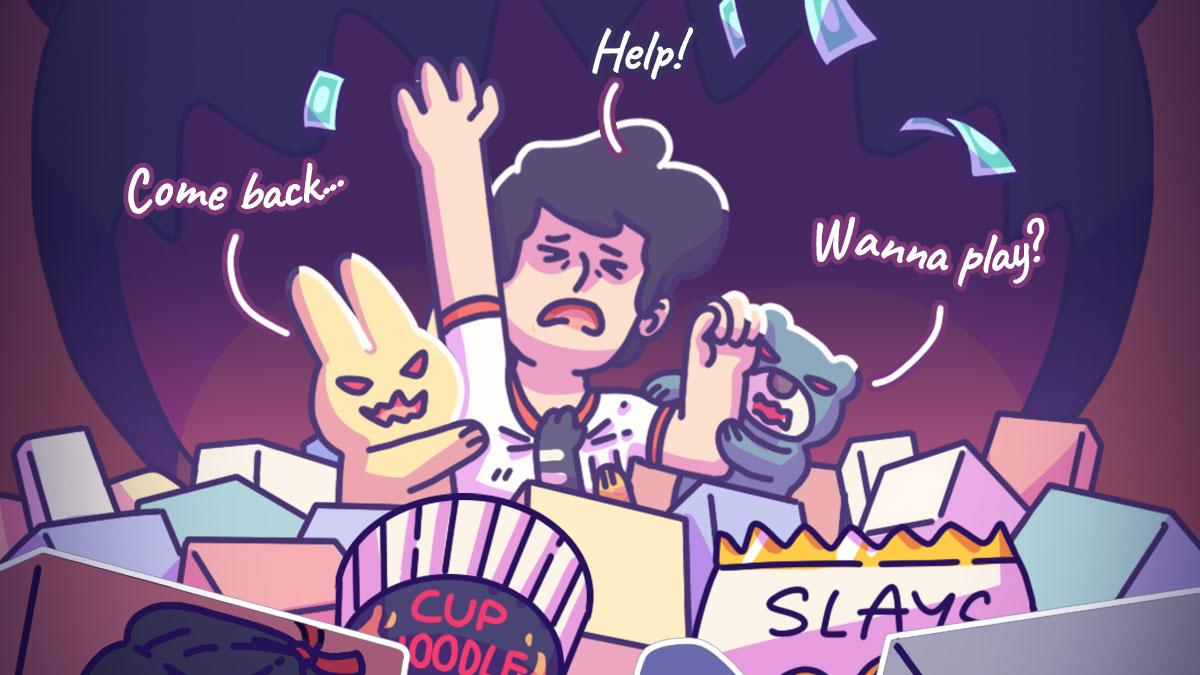
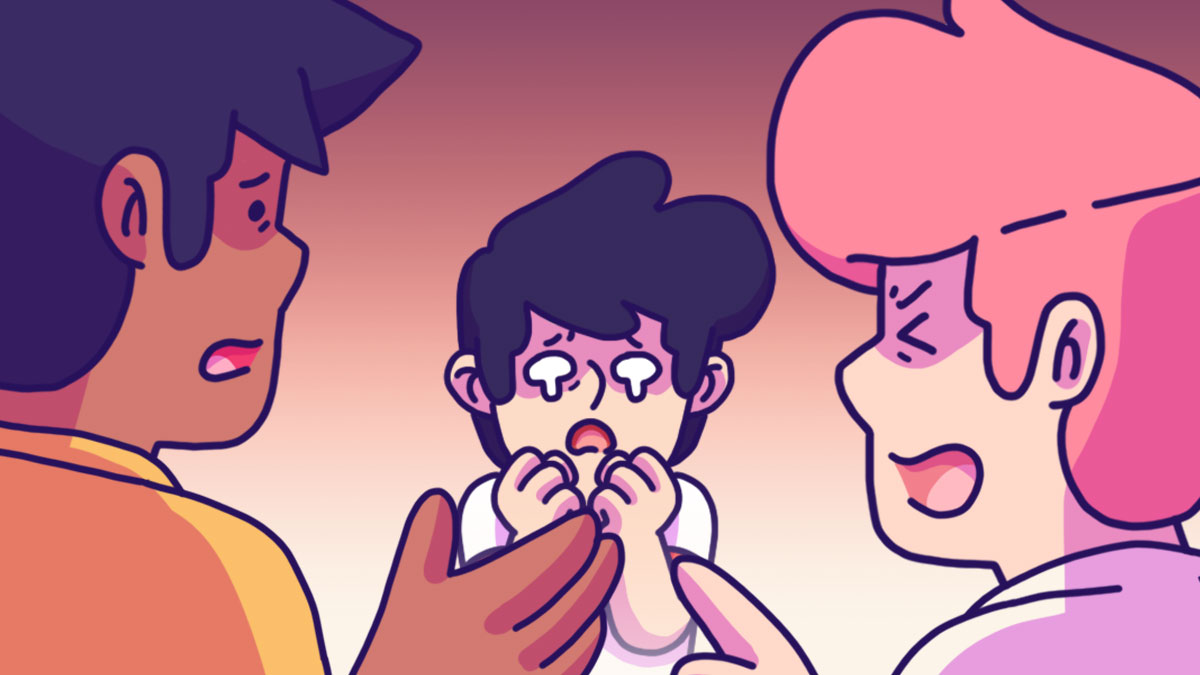
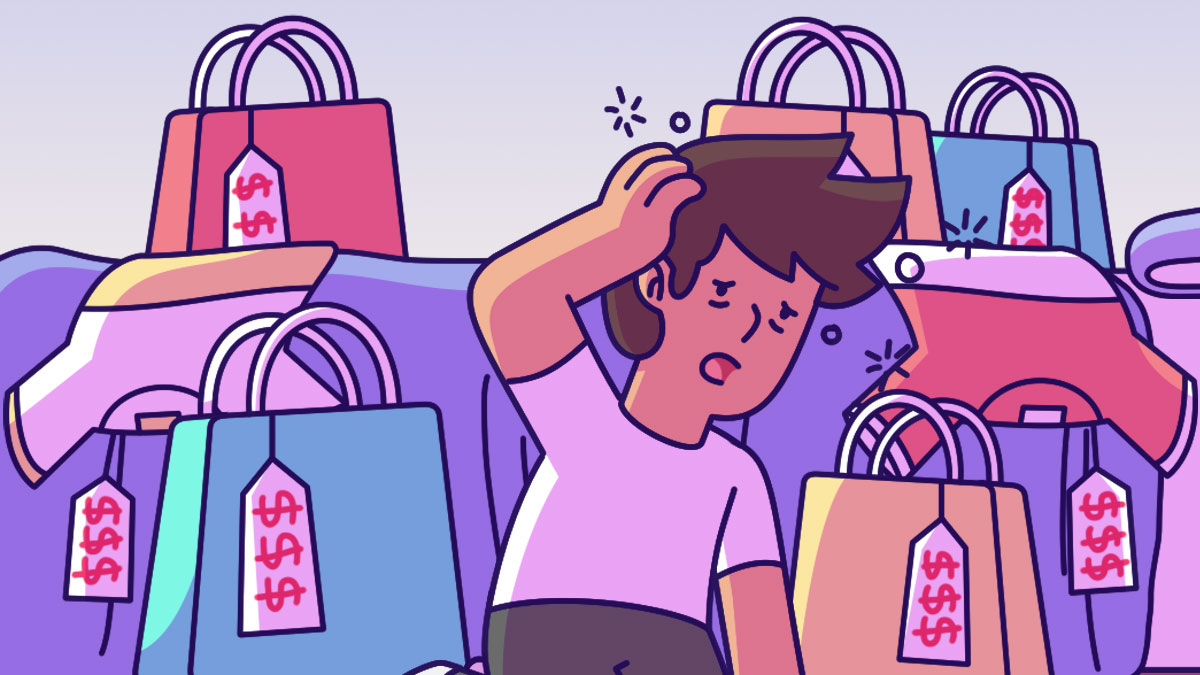
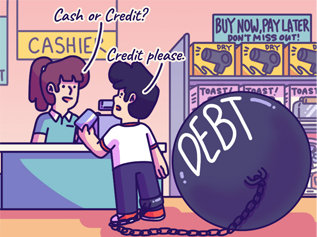
From young, many of us have been told: “It’s not good to borrow money.”So, borrowing money is bad, right? Especially if there’s interest involved?Well, not exactly.Credit lines, which are essentially money that is lent to you by a bank or financial institution, aren’t automatically bad. In fact, when used correctly and responsibly, they can be powerful tools that can actually help you manage cash flow, handle emergencies, and even build your credit profile.How? Let’s break it down for you. In this article, we’ll walk you through what a credit line is, the most common types of credit lines, how they can help you, and how to use them responsibly.What is a credit line?Before we dive in, let’s first understand what a credit line is and how it works.A credit line is a set amount of money you’re allowed to borrow from a bank or financial institution. Unlike a traditional loan, which gives you a fixed lump sum upfront for a fixed purpose, a credit line gives you flexible access to funds up to your limit. What you choose to do with this money is up to you. You can:Use only WHAT you needUse only WHEN you needBorrow again as you repay itYou only pay interest on the money you actually use and not on the full limit.Think of it like your sister’s piggy bank. The amount of money inside is limited. As your sister and you are close, she allows you to take out as much or as little as you need, or empty the whole piggy bank. But whatever you take out, you’ll need to return. And if you don’t refill it on time, there will be consequences; she will either charge you a late payment fee or interest on how much you took and how long you’ve borrowed her money for.Now that we’ve covered the basics, let’s look at…The most common types of credit:1. Credit CardCredit cards are the most common and widely used type of credit line. They can be used for everyday spending, travel, emergencies, online shopping, and just about anywhere that has a credit card machine.How credit cards can help youConvenience and safetyWalking around with large amounts of cash isn’t very practical or safe. On top of that, constantly looking for an ATM to withdraw cash can be a hassle. Credit cards solve these problems by allowing you to pay with just a tap. And because they are not debit cards and come with fraud protection, your savings are protected if something goes wrong.Building your credit historyIf you plan to apply for a car or housing loan, having a good credit history matters. Lenders such as banks refer to your credit history to determine your risk level and how likely you are to repay the loan. Using a credit card responsibly, such as paying it off on time each month, helps build a strong track record and shows lenders that you can manage your money well. So, having a good credit history increases your chances of getting your loan approved and qualify for better interest rates.Rewards and perksEveryone loves getting free stuff. Credit cards offer cashbacks, reward points, discounts and air miles that you can utilise to stretch your spending further. I mean, if you’re already spending on essentials like groceries, transport, or bills, you might as well use a credit card to pay for them to get something back, right?Smart ways to use itPay your balance in full and on time, every monthTo put it bluntly, credit card interest rates are high. Paying only the minimum or late can quickly snowball small purchases into huge amounts of debt.Don’t max out your limitBanks often give users high credit limits as they want to encourage spending. But just because your credit limit is high doesn’t mean you have to max out your card. Remember, the more you use, the more you have to pay back later. A popular rule of thumb is to use less than 30% of your credit limit. That means, if your credit limit is $10,000, you should spend less than $3,000.Plan both the purchase and repaymentBefore tapping your card, ask yourself whether you’ll be able to pay off the full amount next month. If the answer is “no” – or if you’re unsure – it’s better to delay the purchase.​2. Buy Now, Pay Later (BNPL)You can use BNPL for everything these days, even for small purchases like bubble tea. It allows you to split a purchase into several smaller payments over time, making it feel more manageable.How BNPL can help youMore accessibleUnlike credit cards, many BNPL services don’t require proof of income or a strong credit history. This makes them more accessible to freelancers, gig workers, students, and others who may not qualify for traditional credit.Helps spread out payments and manage cash flowBNPL can be useful when you need to make an important purchase but don’t have enough savings upfront. For example, buying a laptop for your first job. Splitting the cost into smaller payments can make it more affordable while still leaving money for essentials like food and rent.Smart ways to use itAlways check the termsWhile many BNPL plans are interest-free, some charge fees, and most impose late payment penalties, so always read the terms before making a BNPL purchase.Keep track of all your repaymentsInstalment payments often kick in the month after you’ve made a purchase. If you make multiple BNPL purchases across the month, you could end up juggling many deadlines – that’s where people lose track of their repayments.Use BNPL for needs, not wantsBNPL works best for essential purchases rather than impulse buys. Limiting how often you use it can also help prevent repayments from piling up.3. Personal Lines of CreditA personal line of credit is a flexible loan from a bank that lets you borrow up to a set limit, repay what you use, and borrow again as needed.How personal lines of credit can help youHelpful in emergenciesEmergencies happen, and a personal line of credit can provide access to cash when you need it, especially to cover expenses over a short period.More flexible than a personal loanYou borrow only what you need, when you need it, instead of taking the full amount all at once.Smart ways to use itBorrow only what you needInterest starts accumulating as soon as you borrow money, so avoid borrowing unnecessarily.Repay as quickly as possiblePaying it back sooner helps reduce the total interest you’ll pay.

28 Jan 2026
0
READ MORE
news-category
I Ended My Relationship Because He Had 10 Active BNPL Purchases
27 Jan 2026
0
A Millionaire At 39, But Money Didn’t Make Me Happy
19 Jan 2026
0
My ‘Claw Machine’ Addiction Clawed $5K Out Of Me
13 Jan 2026
0
A Christmas Carol That Spooked His Bank Account
23 Dec 2025
0
I Ended Up Borrowing Money From My Parents To Pay For My Buy Now Pay Later Highs
11 Nov 2025
0
Buy Now, Regret Later: My Love-Hate Relationship With BNPL
10 Nov 2025
0
5 Questions To Ask Yourself Before Taking A Personal Loan
30 Sep 2025
0
Help! I Paid For My Wedding Via ‘Buy Now, Pay Later’ And I’m No Longer In Bliss
01 Sep 2025
0
Side Hustle Like A Pro: 6 Ways To Grow Your Dough
20 Aug 2025
0


coin-praise
SUBSCRIBE

STAY UPDATED!

And join our community
© Copyright 2025 The Simple Sum. All Rights Reserved.