Take a deep breath and reframe the situation
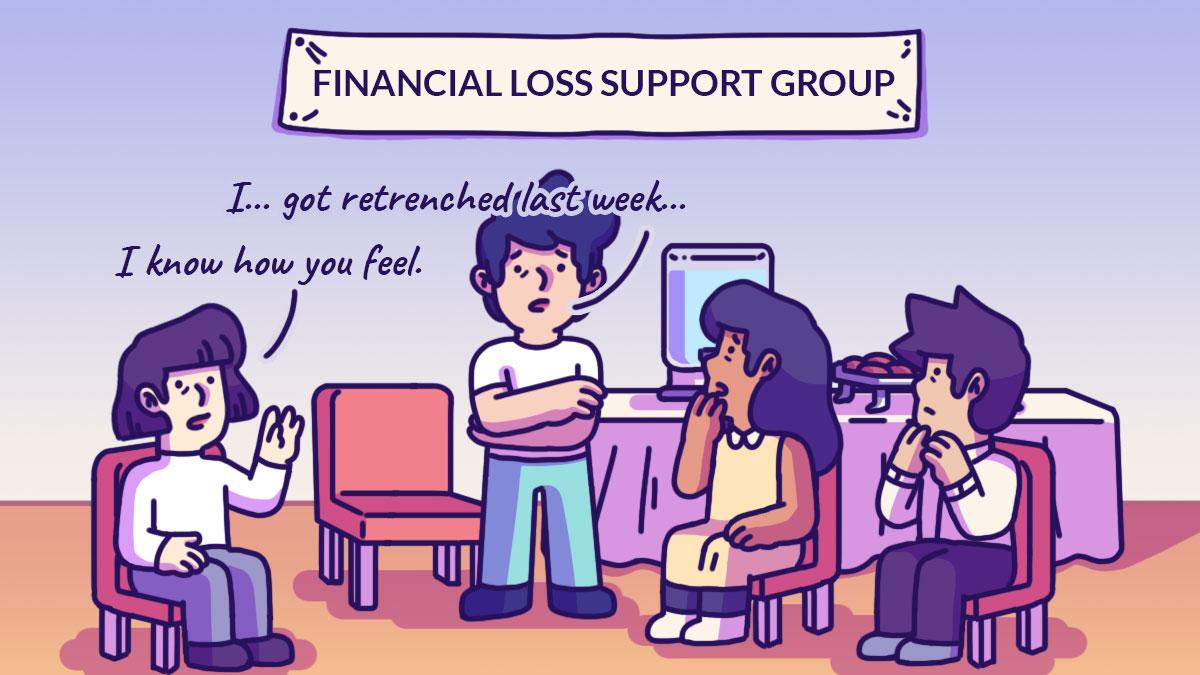
Experiencing financial loss can be stressful and anxiety-inducing, but it’s important to acknowledge and allow yourself to feel the grief that comes with it. Rather than immediately pushing those feelings aside, give yourself the grace to process and accept them. Once you’ve allowed yourself time to collect your thoughts, take a step back and take stock of all the good things in your life that you do still have. In times of financial hardship, we often lose sight of our blessings and fixate on the what ifs. It can be so easy to let your emotions get ahead of you and panic sell your stocks, or worse, bury your head in the sand to avoid the situation altogether and make matters worse. The key thing at this stage is to examine your current financial situation as objectively as you can. In this process, be mindful not to let your emotions cloud your judgement and drive you to make impulsive financial decisions.Look at your most immediate large expenses and how you can manage those payments
The next step is to identify your most significant expenses (rent, mortgage, car payments, etc) and see if you can negotiate a payment plan directly with your creditor or reduce the amount owed. Your debts with the highest interest rates should be your top priority to pay down, and you need to consider what you are prepared to cut loose if it’s too big a liability. Think about how your current assets are working for your benefit. Is your car loan repayment and maintenance costing you more than what value it adds to your everyday life? If it is, you might want to consider selling it and cutting your losses. If you are out of a job and unable to find one soon, these monthly minimum payments will start to pile sky high, and it’ll be all too easy to drown in the high interest charges.Examine your daily expenses and find ways to cut back
 If you don’t already have a budget, now’s the best time to begin one.
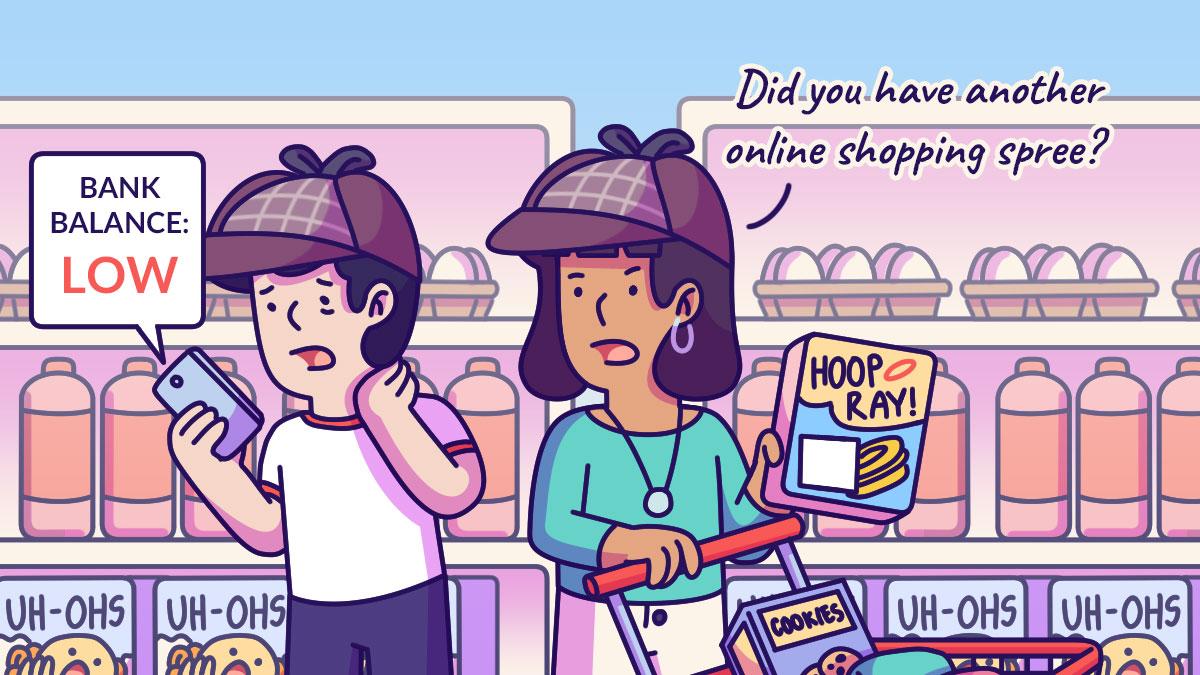
Small daily expenses can often add up without us noticing, and it’s a good idea to review your most common transactions every now and then to see where your money is going every month.
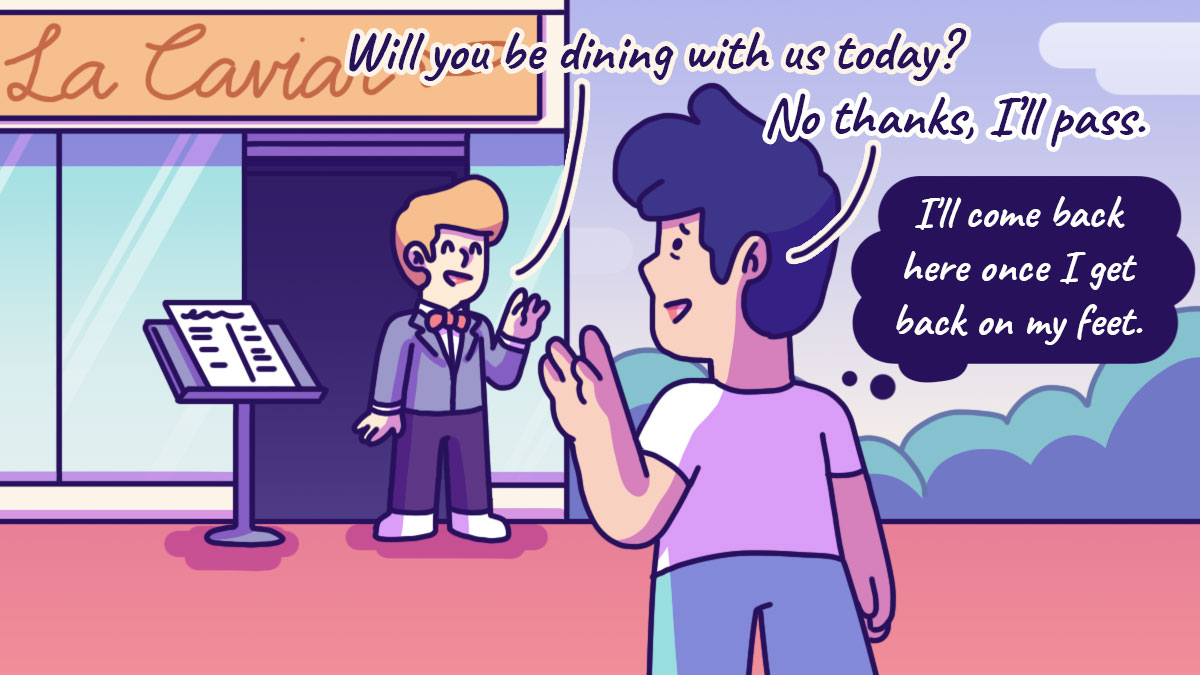
Cutting back on luxuries like eating out and clothes shopping can help reduce overall expenditure, and even the smaller expenses like your weekly boba could be redirected to your more immediate necessities. Once your financial situation stabilises, you can always reintegrate these wants back into your life.
Look through all the subscriptions you don’t really use, like gym memberships or streaming services, and think about cancelling them for the time being as you get back on your feet again.
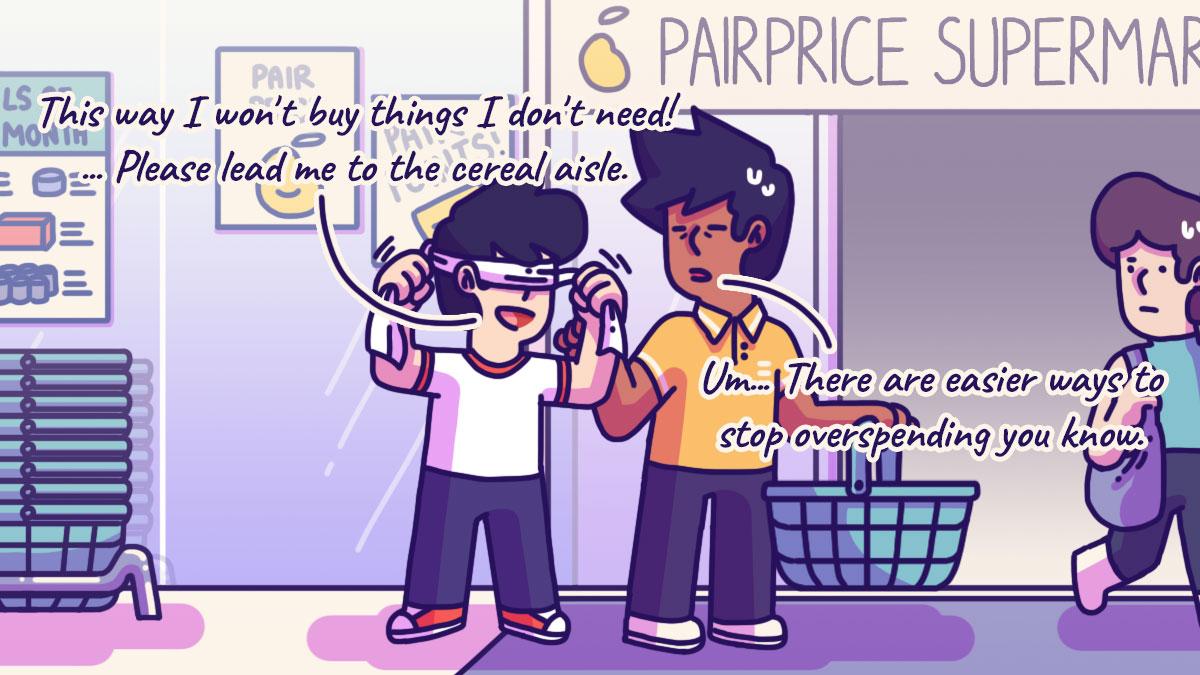
The bulk of our daily expenses most likely come from grocery shopping, and with food inflation to factor in, your grocery bill could snowball at an alarming rate. Buying generic store-brand products is a good alternative to name brand, often tasting just as great.
If you don’t already have a budget, now’s the best time to begin one.
Small daily expenses can often add up without us noticing, and it’s a good idea to review your most common transactions every now and then to see where your money is going every month.
Cutting back on luxuries like eating out and clothes shopping can help reduce overall expenditure, and even the smaller expenses like your weekly boba could be redirected to your more immediate necessities. Once your financial situation stabilises, you can always reintegrate these wants back into your life.
Look through all the subscriptions you don’t really use, like gym memberships or streaming services, and think about cancelling them for the time being as you get back on your feet again.
The bulk of our daily expenses most likely come from grocery shopping, and with food inflation to factor in, your grocery bill could snowball at an alarming rate. Buying generic store-brand products is a good alternative to name brand, often tasting just as great.