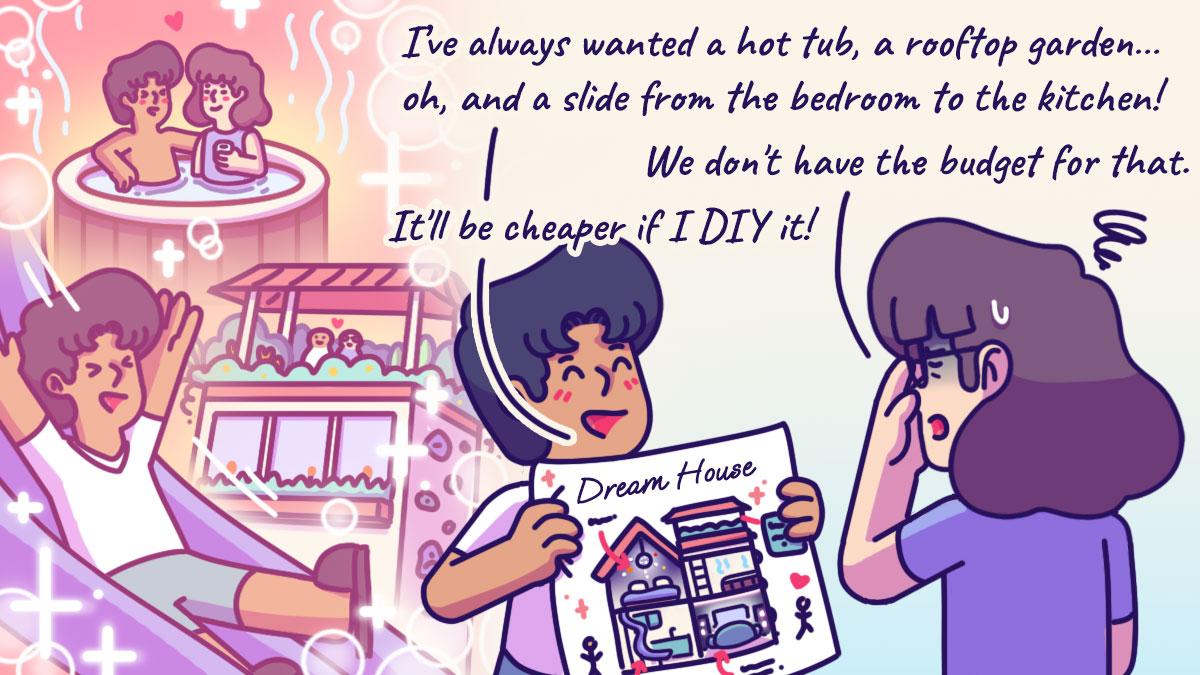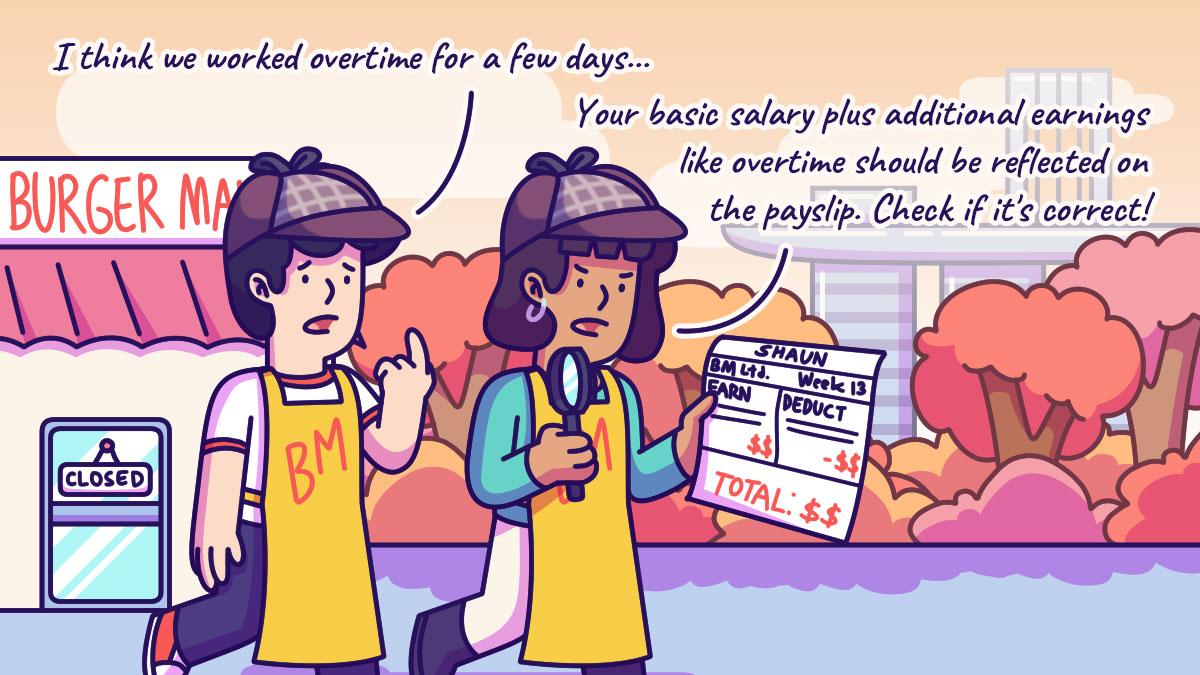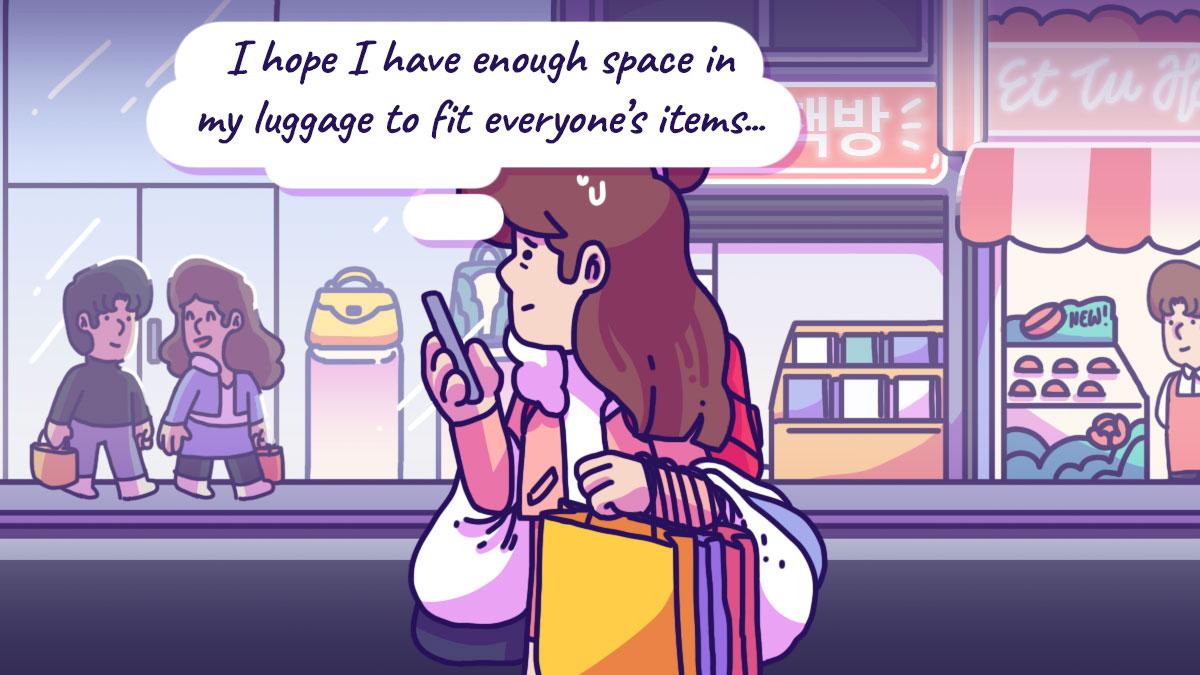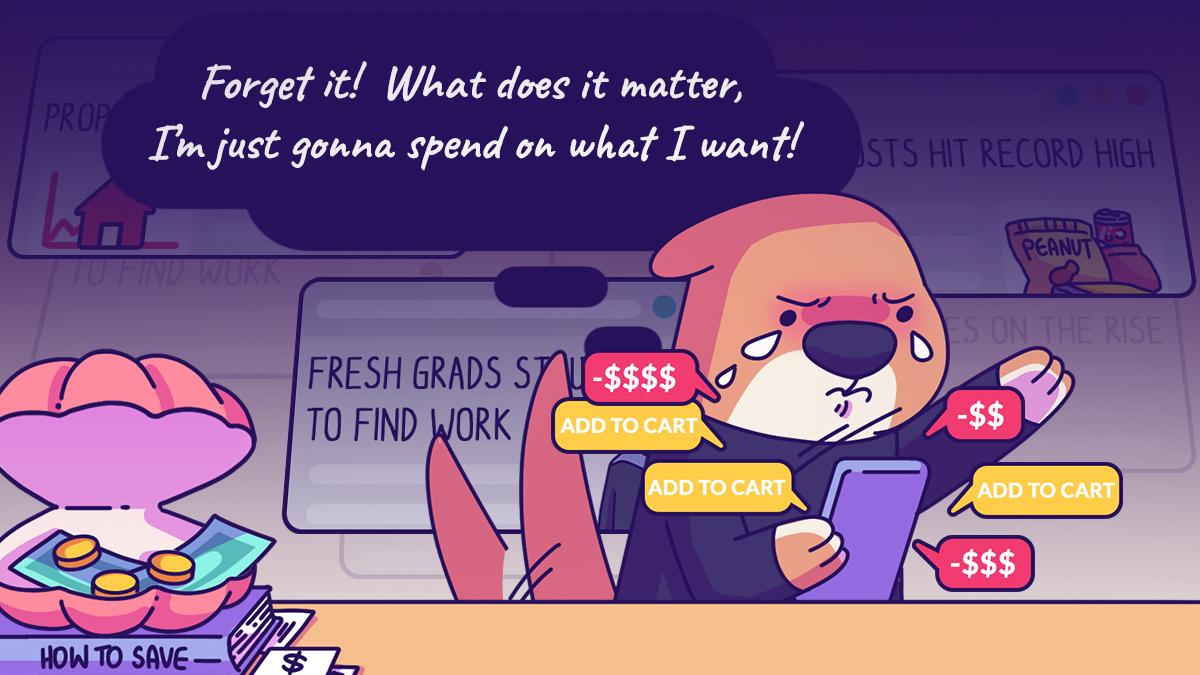
You’ve skipped holidays, turned down dinners, and passed on outings with friends, all in the name of saving money. You’ve done this so often that one by one, the invites have slowly stopped coming, and now your social life is basically non-existent. These days, Netflix is your only friend, keeping you company every weekend.
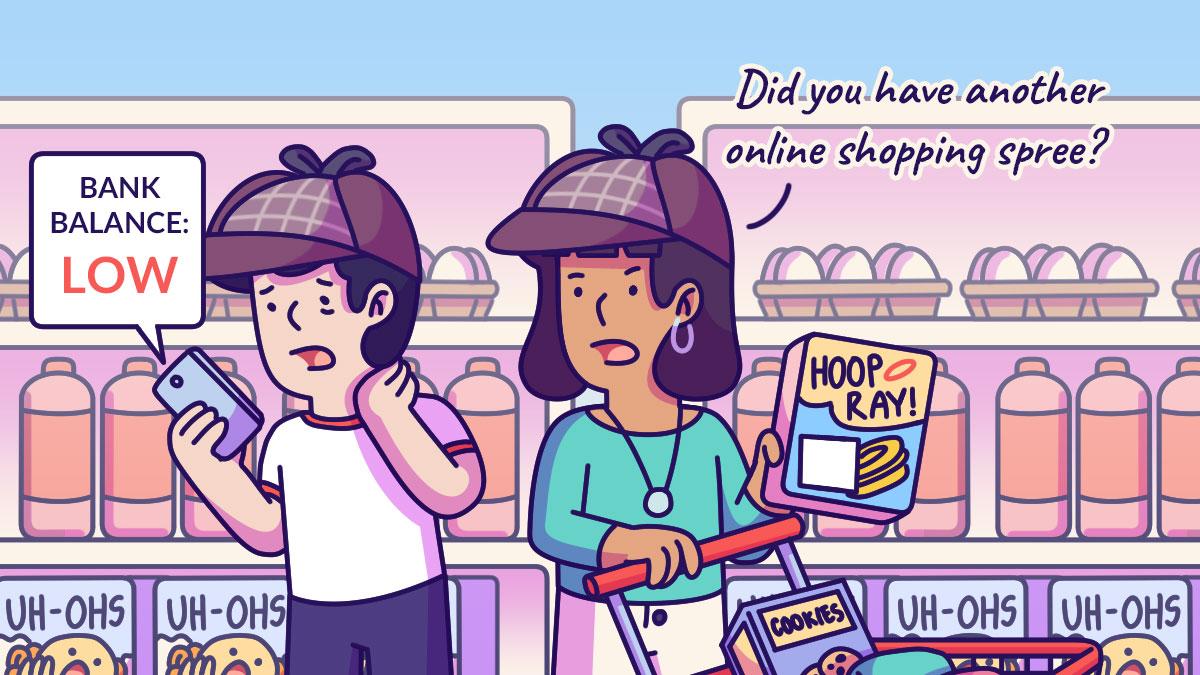
But after a full year of sacrificing, you check your bank account and…. the number staring back at you is disappointing. All that effort, for what?!
Frustration boils over. “What’s the point?” you ask yourself. “At this rate, I’ll never be able to afford a house, a car or even my dream holiday.”
So you decide to stop holding back and start enjoying life now by buying all the things you’ve always wanted.
If this sounds like you, then you, my friend, have just succumbed to doom spending.
Understanding the feeling
Doom spending happens when you find yourself swiping your card, not because you really need something, but because the future feels too uncertain to plan for, so why even bother! And honestly, that feeling is totally understandable.
You’ve worked hard. You’ve made sacrifice after sacrifice. And yet, after all that effort, the results feel discouraging, even insignificant. Anyone who is in your shoes would feel defeated and hopeless. Well, what you are feeling isn’t irrational. It’s a response to your stress and frustration.
And the bleak economic situation and global unrest aren’t just fueling this mindset – they’re often at the heart of it! Every day brings us more bad news about climate change, war, inflation and political instability. It’s a lot! Over time, all that negativity can weigh you down.
So, you seek comfort where you can, even if it means spending money on things that only make you feel good for a little while.
But don’t confuse doom spending with YOLO (you only live once). With YOLO, it’s about living your best life by spending on experiences and on things that bring you joy. Doom spending, on the other hand, is about coping. It often carries a darker undertone, where you feel like, “Since there’s no future anyway, why bother?”
“Doom” is further away than you think
It’s easy to think that since “the end is near”, so spending now doesn’t matter. But here’s the truth: most of us still have a lot of life left to live. Even if things seem bleak today, chances are that you’ll still be around next year, ten years from now, and maybe even longer.
So if you’ve already spent everything you have now, what will you live on when you’re older?
That’s the trap of doom spending. When you spend all your money now because the future feels uncertain, you’re not escaping doom – you’re setting yourself up for financial doom instead. Think mounting credit card debt, zero emergency savings, and no retirement fund. You probably won’t have insurance either, which means if a medical emergency comes up, you’ll have very little to rely on.
The long-term impact is no joke. Doom spending can turn an already uncertain future into one that is even more difficult to manage.
Breaking the cycle
1. Acknowledge your emotions
The first step in breaking the cycle is to recognise your emotional triggers. Do you tend to buy something every time you doomscroll (spend endless hours consuming bad news on social media or news websites)?
While staying informed is important, if you notice that this is making you feel anxious or overwhelmed, it may be time to unplug. Try doing somsething uplifting or calming instead, like reading a book or going for a walk. These feel-good activities can take your mind off all that negativity, plus it’ll also shift your focus away from spending.
2. Make impulsive spending more difficult
Doom spending thrives on impulsive behavior. Retailers know this, which is why they’ve made it easier than ever for shoppers to buy stuff without thinking. These days, you can just wave your phone over a store reader, tap your card, or click on your mouse to pay for something. It’s so quick and effortless that sometimes, you don’t even feel like you are spending.
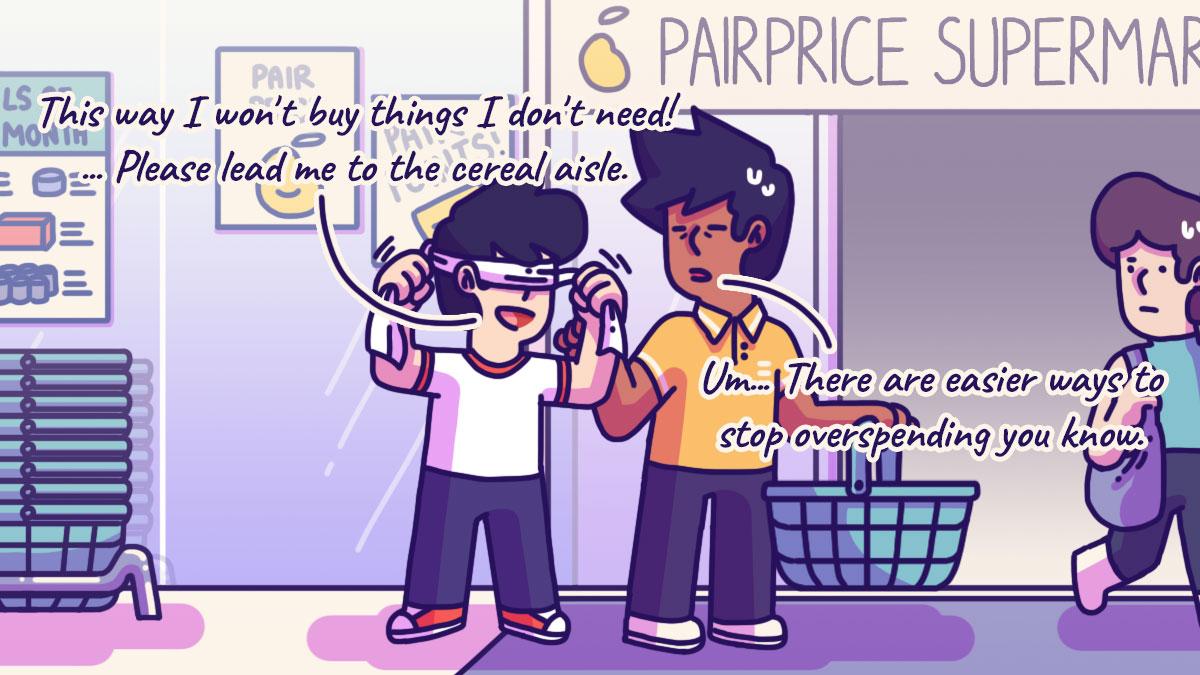
To break this habit, try creating some barriers to make it harder for you to impulse buy. Some suggestions would be to remove your stored credit card info from online stores, only use cash for in-store purchases, or set a 24-hour “cooling off” period before making any non-essential purchases.
Adding little hurdles buys you more time to evaluate if the item is really worth buying. After sleeping on it, you might just realise that you don’t actually need another handbag, another gadget or shirt.
3. Set small, manageable goals
Start small by setting short-term, achievable goals. Breaking things down into smaller steps makes them feel less overwhelming and a lot more doable. For example, instead of aiming to save $10,000 in a year, start by setting aside $50 a week. After you’ve developed the habit of saving, you can gradually increase the amount.
And when you budget, don’t just plan for bills and responsibilities – budget for the fun stuff too. Set aside money for a short getaway, a concert you’ve been wanting to attend, or a pampering session. Setting aside money for fun ensures you're not constantly feeling deprived, which can actually help prevent future impulse spending.
4. Be kind to yourself
Lastly, don’t be too hard on yourself. While terrible things happen daily, most of them are beyond our control. The best we can do is to focus on what we can control.
So, take it one step at a time, and start developing better habits because a more secure financial future is possible. Remember, there’s more to life than just doom and gloom.